Craving more space without cutting ties to Chicago? Long Grove might be your sweet spot. You get room to breathe, quiet streets, and a storybook downtown, plus workable routes to the city and O’Hare. In this guide, you’ll learn what living here looks like, from housing types and commute math to schools, costs, and local culture. Let’s dive in.
Where Long Grove fits in Chicagoland
Long Grove sits about 35 miles northwest of downtown Chicago in Lake County. It spans roughly 12.39 square miles and had a population of 8,366 in 2020, according to Wikipedia’s Long Grove overview. The village leans rural by design. Local planning policies and design guidelines protect a low‑density, countryside feel that sets it apart from many nearby suburbs.
The village’s planning FAQs point to regulations that shape the streetscape and preserve open space. If you care about how rules impact fencing, lighting, or sidewalks on a specific property, start with the Village planning and zoning FAQs and follow the links to the Village Code.
Space to spread out: housing types
Long Grove is known for larger lots and a calm, wooded setting. You’ll find a mix of options, but the common theme is elbow room.
Estate and acreage homes
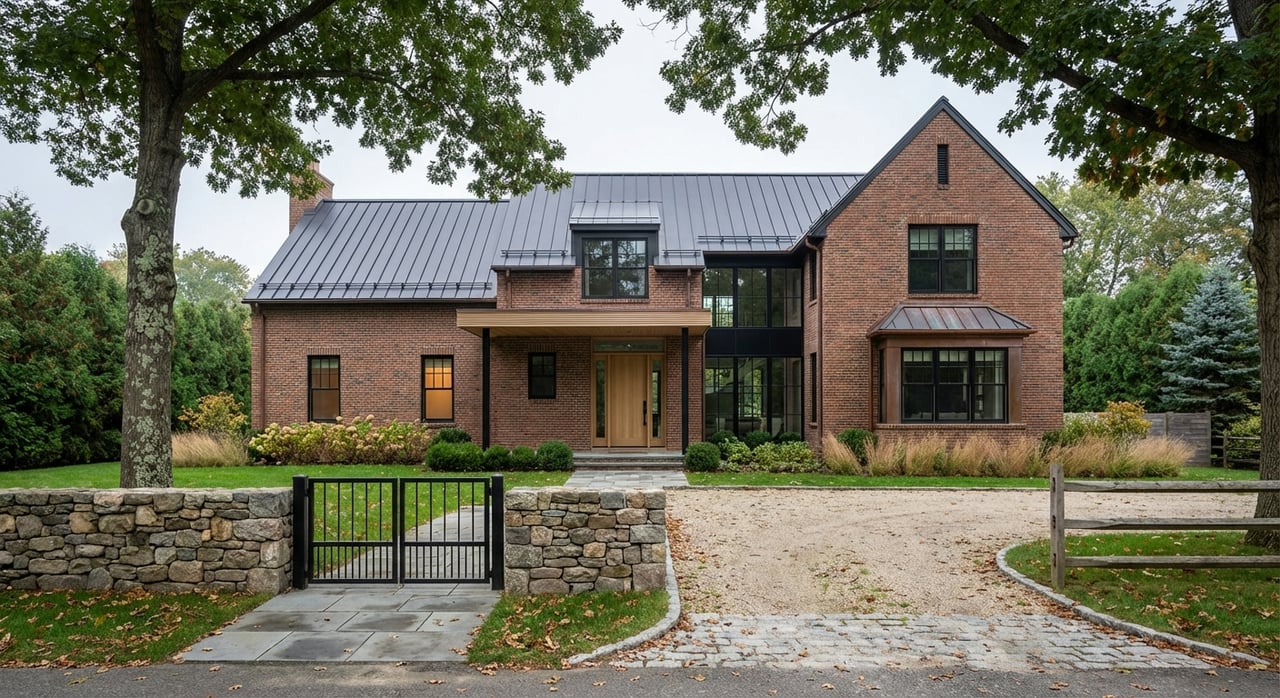
Many properties sit on 1+ acre parcels, with a number on 2 to 4 acres or more. You’ll see custom builds, long driveways, and privacy from mature trees. If you want outdoor living, gardens, or a future pool, this is fertile ground.
Subdivisions and PUD neighborhoods
You also have planned subdivisions and PUDs with more conventional suburban lot sizes. These areas can offer neighborhood amenities, sidewalks in certain sections, and a traditional block feel while still benefiting from the village’s green backdrop.
Equestrian and hobby‑farm niches
While not the majority, equestrian properties and hobby‑farm parcels do show up in active listings from time to time. Think small barns, stalls, and paddocks on multi‑acre sites. If you’ve dreamed of keeping horses or having a serious home workshop, Long Grove’s land profile makes that more attainable.
What it costs and why
Long Grove usually sits above nearby suburbs on price because of its low density and larger parcels. Zillow’s recent snapshots place the typical home value near $900k. Nearby Buffalo Grove trends in the low to mid $400k range, while Libertyville often falls in the $500k to $600k range. Exact numbers change month to month, but the premium for space and privacy in Long Grove is consistent.
What drives that premium:
- Larger lots and estate‑style homes
- A preserved rural character that limits density
- A small, historic downtown and year‑round events
- Access to forest preserves and open space
Property taxes to plan for
Lake County’s effective property‑tax rate is higher than the national average. The Tax Foundation’s county‑level data places Lake County near 2.68 percent in recent reporting. That matters on higher‑value homes. It’s smart to model projected taxes on any property you’re considering and review the county bill. For context, see the Tax Foundation’s property tax data.
Commute math: drive and rail options
If you want space, Long Grove delivers. The tradeoff is that most residents drive for daily errands and commutes. The good news: you have straightforward routes and a park‑and‑ride strategy that works for many Chicago commuters.
Driving access and key routes
The village connects via IL‑22, IL‑53, and IL‑83, with quick links to I‑94 for regional travel. The downtown association’s directions page highlights these as the primary corridors for visitors and commuters. For a quick overview, check the Long Grove directions page.
- Long Grove to the Loop: roughly 35 miles. In practice, allow 45 to 75 minutes or more, depending on rush‑hour traffic.
- Long Grove to O’Hare: commonly about 25 miles. Build in extra time for weekday congestion.
Your actual time will vary with your location in the village and time of day. It pays to test a sample drive during your expected commute window.
Rail access via park‑and‑ride
Long Grove does not have an in‑village Metra station. Many residents drive 10 to 15 minutes to nearby depots on Metra’s North Central Service (NCS), such as Buffalo Grove, Vernon Hills, or Mundelein, then ride into the city. Historically, NCS has offered more limited, peak‑direction schedules compared with some other Metra lines, so always confirm current timetables before you commit to a routine. Get background on the line from Wikipedia’s North Central Service page.
Pro tip: If rail is central to your plan, visit the station you’ll use, park during peak hours, and ride a test train to see how the schedule and parking align with your day.
Schools and boundaries at a glance
School districts in Long Grove vary by address, so check boundaries for each property. The village notes that many homes fall under Kildeer Countryside CCSD 96 for elementary and middle levels, with high schoolers attending Adlai E. Stevenson High School (District 125). Some northern areas align with Diamond Lake (D76) and Mundelein High School (D120). For district contacts and maps, start with the Village’s school district resources.
Use neutral, factual data to compare your options and contact districts directly if you have questions about attendance areas or transportation.
Daily life and downtown character
Historic Downtown Long Grove is a compact, walkable cluster with boutique shops, local restaurants, and a charming village green. The Robert Parker Coffin covered bridge is a local landmark and a symbol of the town’s preserved, small‑town feel. You can read more about the village, including its downtown and history, on Wikipedia’s Long Grove page.
The downtown association anchors the community with seasonal festivals that draw visitors from across the region. Annual highlights include Chocolate Fest in spring, Strawberry Fest in early summer, Vintage Days and Irish Days in late summer, and Apple Fest in the fall, plus holiday events. To see what’s on the calendar now, visit the Historic Downtown Long Grove site.
Beyond downtown, you’ll find plenty of green space and nearby forest preserves for walking, biking, and birding. Many neighborhoods back to wooded areas or ponds, which adds to the quiet, scenic vibe.
Why space‑seekers choose Long Grove
If you’re coming from a closer‑in suburb or the city, Long Grove often appeals for three reasons:
- Privacy and land. You get larger yards for play, pets, and outdoor living, with room to add gardens, a sport court, or a pool on the right lot.
- Estate‑style homes. Many properties were custom built, with generous square footage, three‑car garages, and thoughtful indoor‑outdoor flow.
- A slower pace. The preserved streetscape, lower traffic on residential roads, and green surroundings make day‑to‑day life feel calmer.
For some buyers, the niche opportunity is equestrian use or a hobby‑farm setup. Parcels with small barns or outbuildings do appear, and the village’s rural character fits that lifestyle. Always verify current zoning and permitting if you plan to add structures or keep animals.
What you trade for space
Compared with closer‑in suburbs like Buffalo Grove or Libertyville, you typically trade:
- Shorter drive times into the Loop
- More frequent commuter‑rail schedules
- Denser retail and dining within a short walk
- Lower median price points
This tradeoff makes sense if you value land, privacy, and a quiet setting over a hyper‑convenient commute. If you split your time between home and the city, a park‑and‑ride routine plus a flexible work schedule can balance both worlds.
Smart steps to find your fit
A little preparation goes a long way when you shop in Long Grove. Use this quick checklist:
- Verify school boundaries for the exact address and confirm with the district.
- Model property taxes at the current assessed value and your lender’s rate assumptions.
- Review any HOA or PUD rules for exterior changes, fencing, or outbuildings.
- Check village guidelines for fences, lighting, and other streetscape elements via the planning FAQs and Village Code.
- Test your commute at the times you expect to travel, both to the Loop and to O’Hare.
- If you want equestrian or hobby‑farm use, confirm zoning, setbacks, and animal‑keeping rules before you make an offer.
The bottom line
Long Grove offers a rare blend: space and privacy on larger lots, a preserved historic core with active festivals, and practical access to Chicago when you need it. If your next move is about trading noise for nature while staying connected to work and travel, it’s worth a serious look.
Ready to tour acreage homes, PUD neighborhoods, or equestrian options and build a commute plan that works? Spacematch Inc. pairs concierge service with data‑driven advice, from school‑boundary checks and tax modeling to park‑and‑ride strategies and listing tours. We Spacematch you to the right home.
FAQs
How far is Long Grove from downtown Chicago for daily commuting?
- It’s roughly 35 miles to the Loop. Expect 45 to 75 minutes by car during peak times, depending on traffic and your starting point.
Does Long Grove have its own Metra station for rail commuters?
- No. Most commuters drive to nearby North Central Service stations like Buffalo Grove or Vernon Hills and use a park‑and‑ride routine. Always check current NCS schedules.
What school districts serve most of Long Grove addresses?
- Many homes are in Kildeer Countryside CCSD 96 for elementary/middle and Adlai E. Stevenson High School (District 125) for high school, but boundaries vary by address.
Why are home prices higher in Long Grove than nearby suburbs?
- Larger lots, estate‑style homes, and protected low‑density planning support a premium versus closer‑in markets like Buffalo Grove or Libertyville.
What should I know about property taxes in Long Grove?
- Lake County’s effective property‑tax rate is about 2.68 percent in recent data, which can be a significant carrying cost on higher‑value homes.
Are equestrian or hobby‑farm properties available in Long Grove?
- Yes, though they are a niche segment. You can find multi‑acre parcels with barns or outbuildings. Confirm zoning and permitting for any planned use or additions.
