Wondering whether you should renovate before selling your Glenview home? You are not alone, and the answer is usually more nuanced than a simple yes or no. In a market where buyers are paying attention to condition and presentation, the right updates can help your home show better and compete more effectively, but over-improving can waste time and money. This guide will help you decide where to spend, where to hold back, and how to plan your next steps with confidence. Let’s dive in.
Glenview Market Conditions Matter
If you are selling in Glenview, timing and presentation both matter. According to MRED’s May 2026 local market update, detached single-family homes had a median sales price of $955,000, an average market time of 28 days, and sold at 102.6% of original list price.
That tells you something important. Buyers are active, and well-positioned homes are still moving quickly. At the same time, not every property type performs the same way, since attached homes were slower at 42 days on market and sold at 98.4% of original list price.
This is why renovation decisions should be strategic, not emotional. In Glenview, you do not automatically need a major remodel to get a strong result, but you do need your home to compare well against nearby listings and recent sales.
Start With the Condition Gap
The best question is not, "Should I renovate?" It is, "How far behind the market does my home look?" If your home already feels clean, current, and move-in ready, you may only need a focused refresh.
That matters because buyers are paying close attention to condition. The 2025 Remodeling Impact Report found that 46% of home buyers are less willing to compromise on a home’s condition when purchasing.
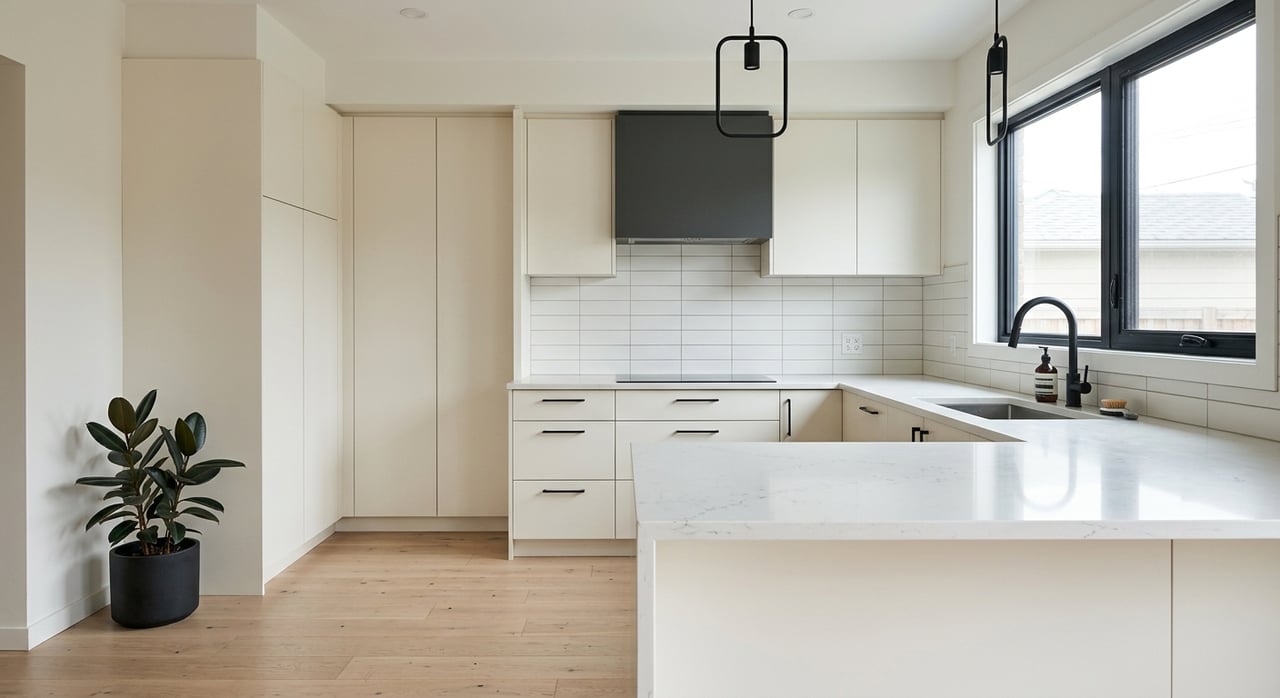
In Glenview, listing presentation patterns also point in a clear direction. Many recent sold and active listings highlight light-toned kitchens, quartz or granite counters, stainless appliances, hardwood floors, fresh paint, updated lighting, and renovated bathrooms.
You do not need to copy every feature. You just need to avoid standing out for the wrong reasons.
Cosmetic Updates Usually Deliver First
For many Glenview sellers, cosmetic work is the first place to look. These are the changes that improve photos, showings, and buyer first impressions without automatically turning into a large construction project.
Paint Is a Smart First Move
Fresh paint is one of the simplest ways to make a home feel cleaner, brighter, and more current. NAR reports that painting the entire home is the improvement REALTORS® most often recommend before a sale.
There is also a practical advantage in Glenview. Interior and exterior painting for single-family homes do not require a permit, which makes paint a lower-friction update when you are trying to prepare for market efficiently.
If your walls are bold, scuffed, or inconsistent from room to room, paint can make a noticeable difference quickly. It is often one of the easiest ways to tighten the condition gap.
Lighting and Small Finishes Help Photos
Updated lighting does not always sound exciting, but buyers notice it. Recent Glenview listings frequently mention recessed lighting, new fixtures, and bright interiors.
If your home has dated fixtures, dim bulbs, or mismatched finishes, small changes can improve both the in-person experience and online presentation. In a digital-first selling environment, those details matter more than many sellers expect.
Flooring Should Be Evaluated Honestly
Flooring is not a blanket replacement decision. It is a condition decision.
If you already have hardwood floors that only need refinishing or cleaning, that may be enough. If floors are worn, damaged, or visibly mismatched, they can distract buyers quickly because refreshed flooring is a common feature in Glenview listings.
There is a practical benefit here too. Glenview does not require a permit for flooring, carpeting, interior trim work, or cabinet installation when those changes do not involve layout changes or electrical work.
Curb Appeal Should Not Be Optional
Before buyers walk through your front door, they have already started forming an opinion. That is why curb appeal deserves serious attention.
NAR’s outdoor-features report says 92% of REALTORS® suggest sellers improve curb appeal before listing, and 97% of NAR members believe curb appeal is important in attracting a buyer. In other words, exterior presentation is not an extra. It is part of the selling strategy.
For a Glenview home, curb appeal often means focusing on the basics:
- Clean landscaping
- A tidy front approach
- A well-presented entry door
- Sharp exterior photos
- Simple, polished outdoor details
You do not need a dramatic redesign. You need the home to look cared for, welcoming, and camera-ready.
Kitchens and Baths Need a Targeted Approach
Kitchens and bathrooms get attention from buyers for a reason. They are high-use spaces, and they can strongly influence how current a home feels.
But that does not mean every seller should launch a full remodel before listing. The better approach is to decide whether these rooms are clearly behind the standard buyers are seeing elsewhere in Glenview.
When Updates Make Sense
If your kitchen or bathrooms look dated, worn, or functionally awkward, targeted improvements may be worth considering. That is especially true if comparable homes in your area are consistently presenting more updated finishes.
The 2025 Remodeling Impact Report gives a Joy Score of 10 to both a kitchen upgrade and a bathroom renovation, which shows how strongly homeowners value those projects. Still, the resale math is more modest, with estimated cost recovery of about 60% for a minor kitchen upgrade, 60% for a complete kitchen renovation, and 50% for a bathroom renovation.
That means these projects can help support marketability, but they are not automatic profit centers. They tend to make the most sense when they solve an obvious competitive weakness.
What Targeted Refreshes Can Look Like
A targeted refresh is different from a full luxury rebuild. Depending on the condition of your home, it may mean:
- Cabinet updates or replacement without changing layout
- New counters if current surfaces feel dated or worn
- Updated hardware and fixtures
- Fresh paint
- Better lighting
- Focused bathroom improvements that improve function and appearance
The goal is not to create your dream kitchen for the next ten years. The goal is to present a home that feels aligned with what Glenview buyers expect today.
Be Careful With Major Remodels
Big renovations can be tempting, especially if you are worried your home feels dated. But if you are selling soon, larger projects often carry more risk than sellers first realize.
NAR’s 2025 report shows weaker resale recovery for several major projects, including 54% for a new primary suite, 56% for adding a bathroom, 67% for an attic conversion to living area, and 71% for a basement conversion to living area.
Those numbers do not mean these projects are bad. They just mean they are harder to justify as a pre-listing investment unless your home is clearly underbuilt compared with recent comparable sales.
In many cases, small visible upgrades create more practical value than adding square footage or highly customized features. The same report shows stronger cost recovery for an 83% closet renovation, 80% for a new fiberglass front door, and 100% for a new steel front door.
Watch the Permit Timeline in Glenview
If your project involves more than surface-level updates, you need to plan around local permits and inspections. In Glenview, permits are required for additions, remodeling, altering, construction, changing plumbing fixture locations, new electrical work, and changes to heating or cooling systems.
Every permit issued requires an inspection. The Village of Glenview says building-permit review comments are usually returned within 10 business days, and resubmittals are usually completed within 5 days.
That timeline can affect your listing plan. Permit-heavy work should be treated like a real construction project, not a quick pre-sale task.
There is another layer to consider as well. Permit approval depends on contractor license, bond, and insurance checks, and some contractors must also register with the Village.
If you want to list on a tighter schedule, that matters. The more complex the project, the more important it is to coordinate the scope, contractor, and timeline before you commit to a market date.
A Simple Glenview Decision Framework
If you are trying to decide what to do next, this simple framework can help.
Renovate Lightly If Your Home Is Already Competitive
If your home already compares well with recent Glenview listings, focus on the basics:
- Fresh paint
- Deep cleaning
- Decluttering
- Curb appeal
- Updated lighting
- Obvious repairs
- Flooring refreshes if needed
This approach often makes sense because detached homes in Glenview are still moving relatively quickly and selling above original list price on average.
Refresh Selectively If Key Rooms Lag
If your kitchen or bathrooms are clearly dated compared with nearby homes, consider targeted updates instead of a full rebuild. The goal is to close the most visible gap, not overspend on finishes the market may not fully reward.
This is often the sweet spot for sellers who want stronger presentation without taking on a long renovation timeline.
Skip Major Work Unless the Numbers Support It
If the project requires layout changes, plumbing moves, electrical changes, or HVAC work, pause and evaluate carefully. Those projects can add cost, time, and uncertainty.
Only move forward if the likely price lift clearly outweighs the disruption and delay. In many Glenview sales, smart preparation beats ambitious renovation.
Why Strategy Beats Guesswork
Selling prep works best when it is tied to local data and real buyer expectations. In Glenview, the market appears to reward homes that feel clean, updated, and move-in ready, but that does not mean every seller should chase a full remodel.
A better plan is to identify what buyers will notice first, what your likely competition already offers, and which improvements will make the biggest difference for your timeline and budget. That is how you protect your upside without creating unnecessary work.
If you want help deciding which updates are worth doing before you list, Spacematch Inc. can help you compare your home to the current Glenview market and build a practical prep plan that fits your goals.
FAQs
Should you renovate a Glenview home before selling?
- Not always. If your home already compares well with recent Glenview listings, smaller updates like paint, cleaning, curb appeal, lighting, and repairs may be enough.
What renovations add the most value before selling in Glenview?
- Cosmetic improvements often have the best case, especially fresh paint, curb appeal work, lighting updates, flooring refreshes, and targeted kitchen or bathroom improvements when those rooms feel dated.
Are full kitchen remodels worth it before selling a Glenview house?
- Sometimes, but only when your kitchen is clearly behind the local market. The research shows kitchen projects can improve appeal, but estimated cost recovery is about 60%.
Do you need permits for pre-sale renovations in Glenview?
- It depends on the work. Glenview requires permits for remodeling, additions, plumbing fixture relocations, new electrical work, and heating or cooling changes, while painting and some simpler finish work do not require permits.
How long do Glenview permit reviews take?
- The Village of Glenview says building-permit review comments are usually returned within 10 business days, and resubmittals are usually completed within 5 days.
What should Glenview sellers fix first before listing?
- Start with the most visible issues: worn paint, dated lighting, poor curb appeal, damaged flooring, deferred maintenance, and any kitchen or bathroom details that make the home feel noticeably behind comparable listings.
