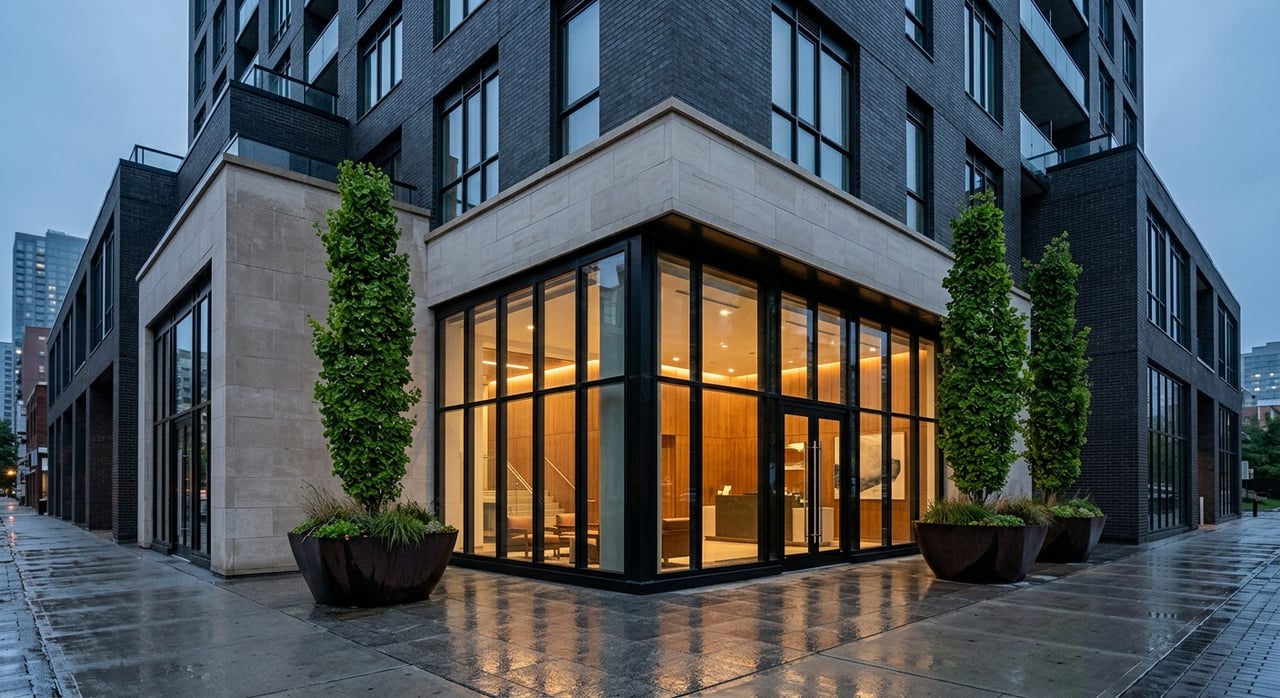
New to downtown Chicago and trying to make sense of condos, lofts, and rentals? You’re not alone. With lakefront towers, brick-and-timber lofts, and boutique buildings within a few blocks of each other, it can be hard to see what truly fits your budget and lifestyle. In this guide, you’ll get a clear breakdown of the main housing types, what they cost as of early 2026, what to check before you sign, and how to plan your commute with confidence. Let’s dive in.
Downtown neighborhoods at a glance
When people say “downtown,” they usually mean the Loop plus nearby neighborhoods like River North, Streeterville, Lakeshore East, the Gold Coast, West Loop and the South Loop. Each has a different feel and mix of building types. Lake and river blocks often command a premium for walkability and views. West Loop and Fulton Market are slightly west of the river and have a big concentration of newer loft-style buildings and offices, which shapes pricing and inventory.
Housing options explained
Luxury high-rises: services and views
What they are: Full-service towers with 24/7 door staff, concierge, on-site gyms, pools, lounges, package rooms, rooftops and in-building parking. These buildings lean into amenity-driven living. For a sense of how extras are evolving, check out this overview of Chicago’s amenity trends from local reporting that highlights the competition for standout perks.
Who they fit: You want turnkey living, strong building services, and lock-and-leave convenience. You’re comfortable paying higher monthly assessments for staffing, amenities and often some utilities.
Typical price ranges as of early 2026:
- Rent: Many 1-bedrooms in core areas list in the mid-$2,000s to $4,000+ per month. Premium views or larger 2–3 bedroom layouts can range from about $3,500 to $8,000+ depending on the building and floor.
- Buy: One to two bedroom condos in high-rise buildings across River North, West Loop and the South Loop often trade from the mid-$300,000s to around $900,000, with ultra-luxury and view homes reaching into the high six figures to multi-million dollar territory.
What to check:
- Monthly HOA assessments and exactly what they include. Some associations roll in heat, water, Internet and even property taxes in certain co-ops.
- Reserve fund strength, recent or upcoming special assessments, and rental cap rules if you might lease your unit in the future.
- Parking costs and whether spaces are deeded or rented.
Converted lofts: character and open plans
What they are: Former warehouses or industrial buildings converted to condos or rentals. Expect high ceilings, exposed brick and beams, oversized windows and flexible floor plans. You’ll see many in West Loop, Fulton Market and parts of River North.
Who they fit: You prefer character and open space over hotel-style amenities. You like being close to restaurants, galleries and offices in a lively, walkable area.
Typical price ranges as of early 2026:
- Rent: About $2,200 to $4,000+ for 1–2 bedroom units depending on size, finishes and location. Larger multi-level lofts can go higher.
- Buy: Smaller one-bedrooms often start in the mid-$300,000s, with larger lofts commonly ranging from the high-$400,000s to the $800,000s.
What to check:
- Building age and mechanicals. Older conversions can carry roof, elevator or structural projects that impact assessments.
- Whether parking is included or deeded. Some loft buildings have limited parking.
- Actual ceiling heights and layout efficiency. Loft square footage feels different than standard condos.
Boutique condos: lower fees, fewer frills
What they are: Smaller low- or mid-rise buildings, including prewar masonry and co-ops, found across the Gold Coast, South Loop, Old Town and parts of River North. These have fewer amenities and often lower monthly fees.
Who they fit: You prefer more space per dollar and lower carrying costs. You do not need a staffed lobby or a pool.
Typical price ranges as of early 2026:
- Buy: Many downtown boutique condo units range from about $300,000 to $600,000, with submarket differences. Near North addresses trend higher, while parts of the South Loop often provide more square footage at a given price.
- HOA: Smaller buildings often sit in the low-to-mid hundreds per month, though this varies based on what is included.
What to check:
- Condo financials, reserve studies and any pending litigation.
- History of special assessments and any rental or short-term rental restrictions.
- Whether property taxes are billed separately or included in monthly assessments for co-ops.
Corporate and serviced rentals: furnished and flexible
What they are: Fully furnished apartments on flexible terms, typically 30 days up to 12 months. These often bundle furniture, utilities and Internet into one monthly payment. They are popular for relocations and temporary assignments.
Who they fit: You want a soft landing for the first 30–90 days while you learn neighborhoods and tour homes. You value convenience and a predictable, single invoice.
Typical price ranges as of early 2026:
- Furnished 1-bedrooms commonly list around $2,000 to $3,500+ per month, depending on building, location, season and lease length. Month-to-month rates are usually higher than a standard 12-month lease.
What to check:
- Cancellation terms, the true monthly rate for your exact stay length, and whether utilities, Internet and cleaning are included.
- Any building rules that impact short- or mid-term stays.
What monthly costs really look like
Amenities trade off with monthly assessments. Full-service towers tend to have higher HOAs, especially when they include staffing, pools, and utilities. In some lakefront co-ops and towers, monthly assessments that include taxes and utilities can exceed $1,200 to $1,600. By contrast, smaller buildings often have fees in the low hundreds. When you model ownership, build in your mortgage, property taxes, HOA, insurance and a buffer for possible special assessments. For a refresher on how assessed values work in the city, use the Cook County Assessor’s Chicago overview, which explains how reassessments can shift tax bills.
Parking is another meaningful line item. In central downtown garages, monthly passes commonly range from about $165 to $410 per month, with higher rates closer to the Loop and river. If you plan to keep a car, budget accordingly or consider parking outside the core and using transit for the last mile.
- Property tax basics: review the Cook County Assessor’s guide to Chicago assessments to see how values are set and when they adjust.
- Parking planning: compare options and downtown garage price ranges before you commit.
Links for reference:
- Cook County Assessor overview: Chicago 2024 reassessment and methodology
- Parking costs: Typical downtown garage pricing and ranges
Commute and transit, made simple
Downtown is one of the most transit-rich parts of the region. The CTA’s rail network wraps the Loop and branches north, south and west, which makes short hops simple. Three major commuter rail terminals sit near the Loop and connect to the suburbs. If you will be commuting by train within the city, review the CTA system map. If you plan to walk most days, River North, Streeterville and Lakeshore East put many jobs and services within easy reach. West Loop and Fulton Market are also highly walkable and have their own office cluster.
- Plan routes: use the CTA system map to gauge door-to-door timing.
- Car-light lifestyle: expect to mix walking, bikes, trains and rideshare for flexibility.
Market trends to watch
The housing mix downtown is changing. Office-to-residential conversions along the LaSalle Street corridor and other Loop locations are moving forward and will add hundreds of apartments, including a portion of affordable units, in coming years. These projects can increase supply and shift pricing dynamics as they deliver. For example, the proposed support for historic LaSalle Street conversions outlines the city’s push to repurpose underused office space. One notable property at 135 S LaSalle is slated for a major conversion, which shows the scale of change underway.
Broader office market conditions also influence future residential supply. Developers weigh new construction versus conversions based on vacancy and absorption. Keeping an eye on downtown office updates helps you understand where and when new housing might arrive.
- Policy update: see the city’s push on LaSalle Street office-to-housing conversions.
- Project example: read about the planned 135 S LaSalle conversion.
- Office context: review an industry snapshot of the Chicago CBD office market to understand the backdrop for new supply.
A simple relocation game plan
Use this step-by-step approach to land smoothly and buy or rent with confidence:
Set your 90-day plan. If you need flexibility, start with a furnished, serviced rental for 30–90 days. Expect a higher per-month rate than a standard 12-month lease in exchange for bundled convenience.
Zero in on 2–3 target neighborhoods. Think about commute, noise levels, proximity to grocery and services, and building type. Walk blocks at different times of day and test your actual commute.
If you plan to buy, assemble your diligence checklist. Ask for condo financials, reserve studies, 12–24 months of meeting minutes, litigation disclosures and rental cap rules. Review tax timing and assessed values using the county’s overview so you budget correctly for your first year in Chicago.
If you plan to rent, confirm the full move-in stack. Verify first month, security deposit or move-in fees, pet policy, guest rules, short-term or sublet restrictions, and parking availability and price. Check whether utilities and Internet are included.
Model your monthlies. Include mortgage or rent, HOA or building fees, estimated utilities, parking, insurance and a buffer for assessments or seasonal bills.
Tour in person or virtually. Pay attention to unit orientation, light, street versus courtyard exposure, elevator count, and lobby access. In winter and summer, test heating and cooling performance.
Helpful references in your planning:
- Cook County Assessor: Chicago overview
- CTA system map for route planning
- City policy update on conversions: LaSalle Street initiative
Which option fits you best
- You want convenience and amenities. Choose a luxury high-rise for staffed security, amenities and easy living. Budget for a higher HOA that may include utilities.
- You want space and character. Target West Loop or River North loft conversions with tall ceilings and open layouts. Confirm building maintenance plans.
- You want lower carrying costs. Look at boutique condos, especially in the South Loop and select Near North pockets. Review condo financials carefully.
- You need flexibility on timing. Start with a corporate or serviced rental while you learn blocks and compare buildings, then move into a long-term fit.
How Spacematch helps you relocate
You deserve a team that understands both the data and the day-to-day realities of downtown living. With expert neighborhood knowledge, in-house operational capabilities and a tech-forward process, we help you:
- Match your lifestyle and budget to the right product type and neighborhood.
- Tour efficiently, in person or virtually, and compare buildings by real carrying costs, HOA rules and reserves.
- Read condo documents and meeting minutes with a practical eye so there are no surprises.
- Model commute options and parking costs to dial in a car-light or car-friendly plan.
- For investors, evaluate value-add potential and coordinate the right contractors for post-close improvements.
Ready to make your move? We Spacematch you to the right home. Connect with Spacematch Inc. to start your search.
FAQs
What are typical 1-bedroom rents in downtown Chicago in 2026?
- In core neighborhoods, many 1-bedrooms list in the mid-$2,000s to low-$3,000s per month, with premium lake and river views trending higher as of early 2026.
How much are HOA fees for downtown high-rise condos?
- Full-service towers often exceed $1,000 per month when staffing and utilities are included, while smaller buildings commonly range in the low-to-mid hundreds, depending on inclusions.
Is parking usually included with downtown condos or rentals?
- Often it is not; many buildings charge separately or sell deeded spaces, and central garage passes typically run about $165 to $410 per month near the Loop.
What should I review before buying a downtown condo?
- Ask for financial statements, reserve studies, 12–24 months of meeting minutes, litigation disclosures, rental cap rules and any special assessments, then confirm tax timing with the county.
How long should I plan to stay in a corporate or serviced rental?
- Many transferees book 30–90 days to learn blocks, tour in person and compare buildings; shorter stays usually have higher monthly rates than longer terms.
Which downtown neighborhoods work best for a walk-to-work lifestyle?
- River North, Streeterville and Lakeshore East put many offices, shops and services within easy walking distance, and West Loop has a strong office cluster with high walkability.
