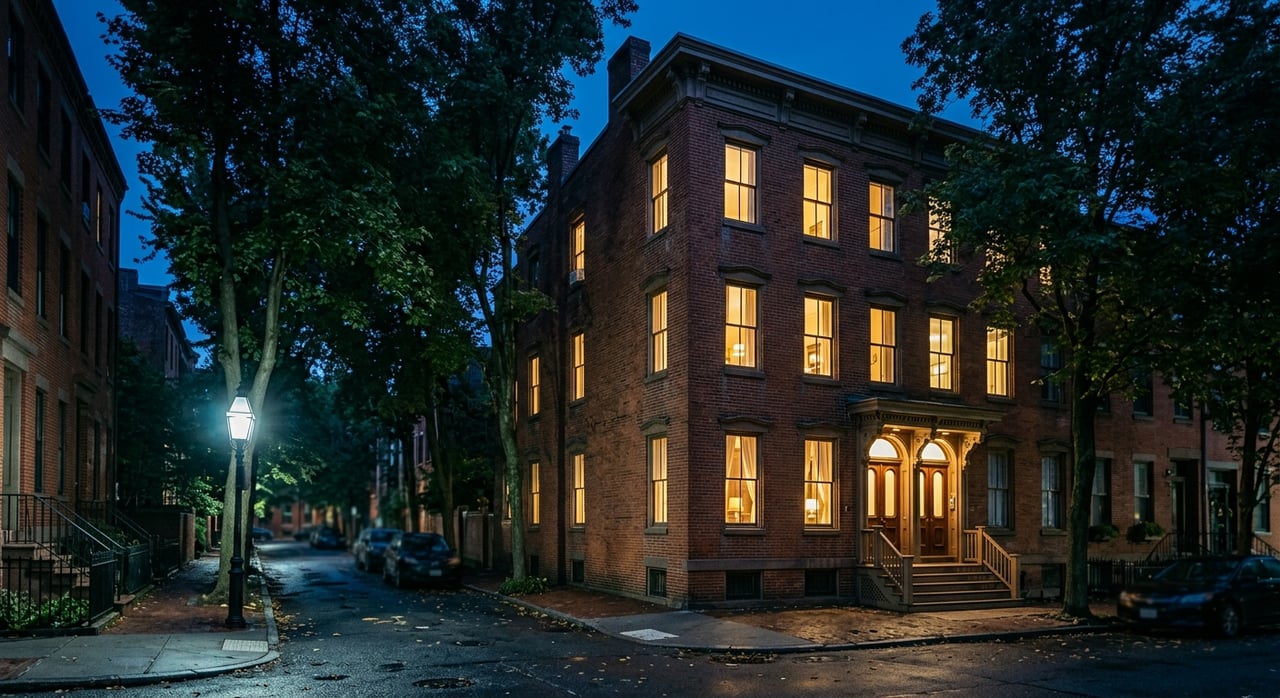
Wondering where Logan Square really comes alive after dark? If you are thinking about living in this part of Chicago, nightlife is not just a fun extra. It is part of the neighborhood’s identity, rhythm, and everyday appeal. From dinner spots and cocktail bars to live music and late-night stops, Logan Square offers a layered evening scene that also sits alongside historic homes, transit access, and walkable streets. Let’s dive in.
Logan Square After Dark
Logan Square stands out as a mixed-use nightlife neighborhood, not just a single strip of bars. Local arts organizations, intimate music venues, locally owned shops, and cocktail bars all shape the area’s evening energy. That gives your night more range, whether you want a relaxed dinner, a show, or a spontaneous last stop.
The public square and boulevards around Logan and Palmer Squares help create a strong sense of place at night. Instead of feeling disconnected, many evening destinations tie back to a walkable neighborhood setting. That mix of activity and identity is a big part of what makes Logan Square memorable.
A Nightlife District With Layers
One of Logan Square’s biggest strengths is variety within a compact area. Along Milwaukee, Kedzie, and Armitage, you can move from dinner to drinks to live music to late-night food within a few blocks. That makes it easy to plan a full night without needing to bounce all over the city.
This setup also gives the neighborhood a flexible feel. You can keep the evening simple with one reservation and one drink, or build a longer night around several stops. For buyers exploring Logan Square, that kind of built-in lifestyle convenience matters.
Where To Eat And Drink
Logan Square’s dining and bar scene offers options for different moods rather than one single style. Some places lean dinner-forward, others are more music-first, and a few are known for staying lively late into the night. The result is a neighborhood where your evening can feel low-key or high-energy depending on what you want.
Dinner-First Favorites
Lula Cafe has long been one of the neighborhood’s anchor restaurants on Kedzie Boulevard. Longman & Eagle also adds to the area’s dinner scene with its inn-and-restaurant identity in Logan Square. If you want a place where dinner can naturally turn into a longer evening, these kinds of spots help set that tone.
Scofflaw adds another useful option for a longer night out. Its kitchen stays open daily until close, with Friday and Saturday service running until 1 a.m. That can be especially appealing if you like a later dinner or want food after an event.
Cocktail Bars And Music Venues
If your ideal night starts with drinks and ends with live music, Logan Square gives you strong options. The Whistler combines a cocktail bar setting with an active music calendar, which makes it a go-to for people who want both atmosphere and performance. Smoke & Mirrors also positions itself as an underground bar and music venue with late hours from Thursday through Saturday.
The neighborhood’s broader arts identity helps support that scene. Concord Music Hall and Hairpin Arts Center add to Logan Square’s role as an arts anchor, not just a food-and-drink destination. That wider cultural base helps explain why the area feels active beyond a typical bar corridor.
Late-Night Stops
Some neighborhoods quiet down early, but Logan Square has true late-night range. The Owl markets itself as a late-night destination, with hours running until 4 a.m. Sunday through Friday and 5 a.m. on Saturday. Cafe Mustache also shifts from coffee shop by day to bar and live-event space at night, with a night-snack menu that adds to its all-day appeal.
For you as a future buyer or seller, that matters because it speaks to how the neighborhood functions in real life. Logan Square supports both routine evenings and social nights out. That dual role is part of its market appeal.
Summer Brings Extra Energy
Summer nights in Logan Square often feel especially vibrant because neighborhood life spills into the public realm. The Logan Square Arts Festival highlights that seasonal shift with live music stages, art installations, food and drink vendors, and neighborhood-focused programming. The event is centered around the Illinois Centennial Monument plaza, which reinforces the area’s civic heart.
That festival setting says a lot about Logan Square as a whole. This is not only a place where people go out. It is also a place where public space, arts, and local business work together to create a stronger neighborhood identity.
Why Seasonal Events Matter
For homebuyers, seasonal activity can reveal how a neighborhood actually feels beyond listing photos and map pins. In Logan Square, summer events show how the public square and boulevards become part of everyday life. You get a clearer sense of how entertainment, walkability, and community space overlap.
That can be valuable if you are comparing Logan Square with neighborhoods that may have restaurant clusters but less of a shared civic center. Here, the evening experience often extends beyond individual venues. It becomes part of the street life and public setting.
Getting Around At Night
Logan Square is especially notable for how easy it is to reach and navigate after dark. The CTA Blue Line provides 24-hour rapid transit between O'Hare and Forest Park through downtown Chicago. Within the neighborhood, Logan Square, California, and Western serve as Blue Line stops.
The Logan Square station at 2620 N Milwaukee Ave is an accessible stop with CTA bus connections including routes 56 and 76. The neighborhood brochure also notes that Logan Square is served by multiple bus routes and is easy to navigate by bike. Milwaukee Avenue runs through the center, and the 606 trail borders the southern edge.
Why Transit Shapes The Nightlife Experience
Transit changes the feel of a neighborhood at night. When you can get in and out without much friction, dinner plans, concerts, and casual meetups become easier to pull off. For many buyers, that is a real quality-of-life factor.
It also helps explain why Logan Square has such staying power as both a residential and nightlife destination. Current planning around the Blue Line station area emphasizes housing, local businesses, sustainability, and equitable development. In other words, the area is being treated as more than an entertainment zone. It is a transit-centered neighborhood node.
What The Housing Mix Tells You
If you are exploring Logan Square as a place to live, the housing stock tells an important story. This is a historic, transit-oriented neighborhood with a mix of older low-rise buildings and newer infill, rather than a high-rise district. That physical form shapes both the streetscape and the neighborhood’s evening character.
According to CMAP’s 2025 housing profile, 43.7% of homes are in 2-to-4-unit structures, 31.0% are in 5-to-49-unit buildings, and 17.6% are single-family units. The same profile shows that 59.5% of units were built in 1939 or earlier, with a median year built of 1944. That older housing base supports the neighborhood’s established feel.
Historic Fabric Meets Daily Convenience
The City of Chicago’s Logan Square Boulevards District adds more context. The landmark district is centered on the boulevards radiating from Logan and Palmer Squares, and many buildings date from 1880 to 1930. The architecture includes residential, institutional, religious, and commercial buildings, which helps explain the neighborhood’s layered visual character.
For buyers, this means Logan Square often offers a lifestyle where homes, local businesses, and evening destinations sit close together. You are not choosing between residential calm and neighborhood energy as separate worlds. In many parts of Logan Square, they exist on the same walkable streets.
Market Snapshot For Buyers
CMAP’s profile shows Logan Square has a mix of renter-occupied and owner-occupied households, with 61.8% renter-occupied and 38.2% owner-occupied. The 2022 median residential sales price was $560,000. Those figures help frame the neighborhood as an established market with broad housing types and ongoing demand.
If you are buying here, it helps to look beyond price alone. The value proposition often includes transit access, historic housing stock, neighborhood identity, and a night scene that feels integrated into daily life. For many people, that combination is exactly the draw.
Why Logan Square Appeals To Buyers
Logan Square’s nighttime appeal is not just about having places to go. It is about how the neighborhood’s dining, music, transit, and housing all connect. That creates a lifestyle pattern that feels convenient, social, and rooted in place.
For some buyers, that means being able to walk to dinner and take the Blue Line home from downtown without needing a car. For others, it means living near architecture and public spaces that still feel active after sunset. Either way, Logan Square offers a version of city living where neighborhood energy is part of the package.
If you are comparing central Chicago neighborhoods, Logan Square is worth viewing through that full lens. The evening scene is important, but it works because it sits within a broader structure of transit access, historic fabric, and mixed-use streets. That is what gives the neighborhood staying power.
Whether you are buying your first place, planning a move within Chicago, or looking for a property with strong lifestyle appeal, Logan Square offers a distinct blend of activity and livability. If you want help understanding how that neighborhood energy lines up with your goals, Spacematch Inc. can help you find the right fit.
FAQs
What is Logan Square nightlife like in Chicago?
- Logan Square nightlife is spread across a mixed-use neighborhood rather than one single entertainment strip, with dining, cocktail bars, music venues, and late-night spots clustered around Milwaukee, Kedzie, and Armitage.
What are popular night-out spots in Logan Square?
- Well-known Logan Square evening destinations include Lula Cafe, Longman & Eagle, Scofflaw, The Whistler, Smoke & Mirrors, The Owl, and Cafe Mustache.
Is Logan Square easy to get around at night?
- Yes. Logan Square is served by the CTA Blue Line, which runs 24 hours, and the neighborhood also has bus connections, bike access, and walkable commercial corridors.
What kind of housing is common in Logan Square?
- Logan Square is known for older low-rise housing, with many 2-to-4-unit buildings, mid-size apartment buildings, and some single-family homes, plus newer infill development.
Is Logan Square a high-rise neighborhood?
- No. Logan Square is better described as a historic, transit-oriented low-rise neighborhood rather than a high-rise district.
Why do buyers consider Logan Square appealing?
- Many buyers are drawn to Logan Square for its mix of transit access, historic housing stock, walkable streets, public squares, and a nightlife scene that feels connected to everyday neighborhood life.
