Wondering what it actually feels like to live in Old Town, not just visit it for dinner or a comedy show? That question matters if you are trying to picture your daily routine, your weekend rhythm, and whether the neighborhood fits the way you want to live. Old Town offers a rare mix of preserved historic streets, everyday convenience, easy lakefront access, and a lively Wells Street scene that can carry your day from morning coffee to a late-night show. Let’s dive in.
Why Old Town Feels Different
Old Town stands out because its streetscape tells a story you can still see and feel. In the landmarked Old Town Triangle District, the City of Chicago dates much of the built fabric to 1871 through 1900 and notes that the district was designated a Chicago Landmark in 1977.
That history shapes the experience of being here today. The area was first settled in the 1850s by German immigrants, rebuilt after the Great Fire of 1871, and later preserved through an early neighborhood revitalization effort that helped protect its narrow, tree-lined streets and architectural character.
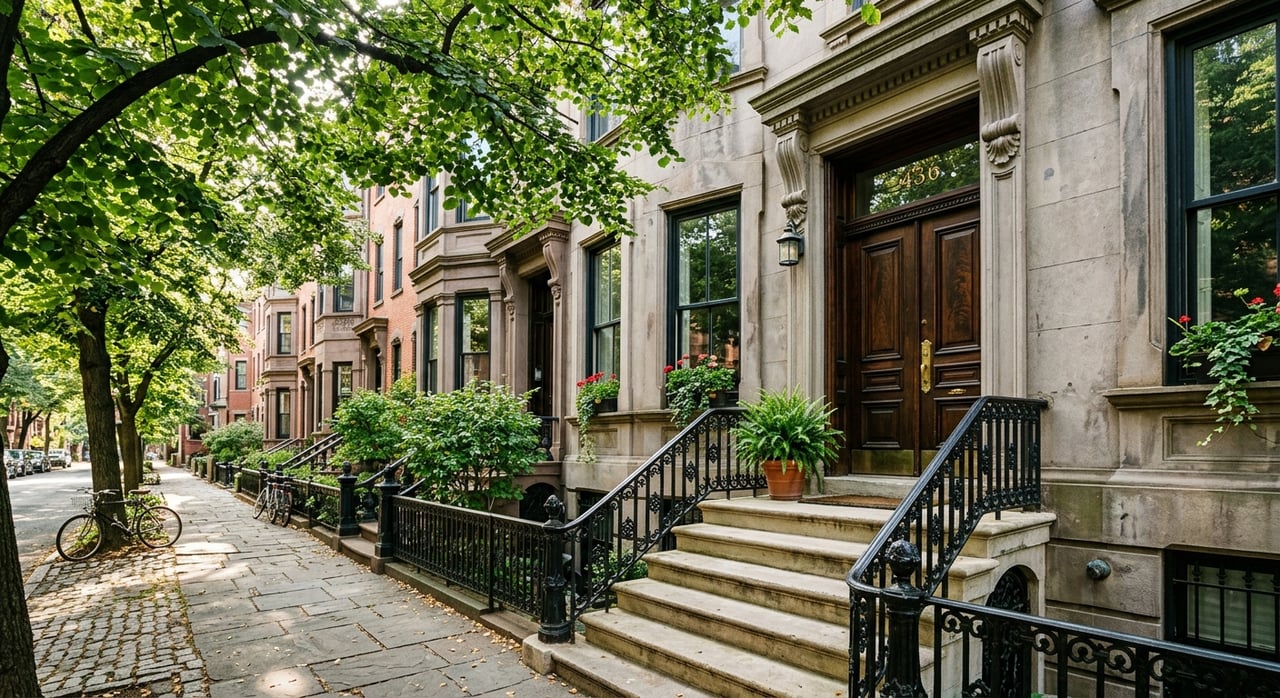
Unlike many parts of Chicago, some of Old Town’s streets and alleys predate the Great Fire and do not fully follow the city’s typical grid. That slightly irregular layout gives the neighborhood a more intimate feel, especially when you are walking past Victorian-era homes, narrow brick alleyways, rowhouses, and brick-and-stone houses.
A Morning on Historic Streets
A typical day in Old Town can start quietly, even though the neighborhood is known for its busy entertainment scene later on. In the morning, the tree canopy, older homes, and compact blocks create a calm backdrop for a walk before the day picks up.
If you live near the Old Town Triangle District, your route might take you past workers’ cottages, larger post-fire brick-and-stone homes, and the eastern side’s rowhouses and apartment buildings. That housing mix gives Old Town a layered look that feels collected over time rather than built all at once.
This is one of the neighborhood’s biggest draws for buyers. You are not just choosing a home here. You are choosing a setting with visible history, preserved architecture, and streets that feel distinctly different from newer parts of the city.
Wells Street Sets the Daily Rhythm
For everyday life, Wells Street is the center of gravity. According to the Old Town Merchants and Residents Association, the corridor includes retailers, health and wellness services, bars and restaurants, comedy clubs, independent theatre, and community organizations.
That variety matters because it supports a routine that feels easy and local. You can step out for coffee, run a quick errand, browse a boutique, and keep moving without needing a long plan or a car.
Wells Street is also a designated bike corridor with painted lanes in both directions. That adds another layer of convenience for people who like short bike trips as part of their daily routine.
What a Day Here Can Look Like
Old Town is one of those neighborhoods where the day can unfold naturally. You might start on a quieter residential block, spend the middle of the day on Wells Street, and end the evening a few blocks away at dinner or a performance.
That flow is part of the appeal. The neighborhood is compact enough to feel connected, but mixed-use enough to keep things interesting.
Here is a simple way to picture a day living in Old Town:
- Morning walk along narrow, tree-lined residential streets
- Coffee and errands near Wells Street
- Midday bike ride or transit trip to another part of Chicago
- Late afternoon visit to the lakefront or Lincoln Park
- Dinner on Wells Street
- Evening comedy, theatre, or a casual nightcap nearby
For many buyers, that kind of routine is exactly the point. Old Town makes it possible to blend historic surroundings with a modern, walkable lifestyle.
Getting Around Without Overcomplicating It
Transit access is another reason Old Town works well for a car-light lifestyle. CTA lists two nearby rail options that support daily movement in and out of the neighborhood.
Sedgwick Station, at 1536 N. Sedgwick, serves the Brown and Purple lines. Clark/Division, at 1200 N. Clark, serves the Red Line. CTA notes that both stations are accessible and connect to bus routes.
That gives you practical flexibility. Whether your routine includes commuting, meeting friends in another neighborhood, or heading downtown, Old Town offers straightforward transit options without losing its neighborhood feel.
Old Town and the Lakefront
One of the biggest lifestyle advantages in Old Town is how easily a historic residential setting connects to outdoor space. The Chicago Park District notes that the nearby Lakefront Trail includes separate bike and pedestrian paths, which helps support different types of daily use.
The Lincoln Park section next to Old Town includes North Avenue Beach and the Chicago History Museum. North Avenue Beach, at North Avenue and Lake Michigan, is known for views of runners, walkers, bikers, and rollerbladers moving along the trail.
For residents, this means your day does not have to stay within the neighborhood’s commercial core. You can start among landmarked streets and, with a short trip, shift into a lakefront routine that feels active and open.
Afternoon Energy Changes With the Season
Old Town can feel residential and relaxed on an ordinary weekday, but it also has a public-facing side that shows up throughout the year. The neighborhood organization hosts the Wells Street Art Festival every June, and the area is also known for the annual Old Town Art Fair.
That seasonal calendar helps explain the neighborhood’s personality. It is not just a quiet pocket and it is not just an entertainment district either.
Instead, Old Town lives in both modes. Some days feel low-key and local, while others bring more foot traffic, more energy, and a stronger sense of being in one of Chicago’s most recognized neighborhood destinations.
Evenings Are Part of the Appeal
Old Town’s evening scene is one of its defining lifestyle features. Choose Chicago describes the neighborhood as the birthplace of modern American improv, and The Second City’s Old Town location offers multiple stages and live shows every night of the week.
The entertainment mix extends beyond one venue. The Old Town Merchants and Residents Association also points to Zanies Comedy Club, A Red Orchid Theatre, and the area’s broader independent theatre scene.
If you want a neighborhood where nights out can happen close to home, Old Town checks that box. You can keep the evening simple and local instead of planning a cross-city outing.
Wells Street After Dark
Wells Street shifts as the day goes on. By evening, it becomes the neighborhood’s clear hub for food, drinks, and nightlife, with activity concentrated between North Avenue and Division Street.
That does not mean every block feels the same. One of Old Town’s strengths is the contrast between quieter historic residential streets and a commercial corridor that stays active later into the night.
For buyers, that balance is worth thinking about carefully. If you want walkable access to restaurants, comedy, theatre, and a lively street scene, Old Town offers that in a way few neighborhoods do while still preserving a strong historic identity.
Who Old Town May Appeal To Most
Old Town is often a strong fit if you want your neighborhood to do several things well at once. It combines historic housing stock, walkable daily errands, convenient transit, and access to both the lakefront and nightlife.
That can be especially appealing if you are looking for:
- A home in a neighborhood with preserved architectural character
- A walkable routine centered on local shops and restaurants
- Easy access to CTA rail stations and bus connections
- A short connection to the Lakefront Trail and North Avenue Beach
- Entertainment options close to home, including comedy and theatre
From a home search perspective, Old Town is less about one single feature and more about the full package. The lifestyle here comes from how the streets, housing, retail core, transit, and lakefront access all work together.
What To Notice When Touring Old Town
If you are considering buying in Old Town, it helps to tour with daily life in mind. Pay attention not just to the unit or house, but also to the block, the walk to Wells Street, the route to transit, and how the area feels at different times of day.
You may notice that one part of the neighborhood leans more residential in feel, while another puts you closer to restaurants, nightlife, and commercial activity. You may also find that the irregular street pattern, mature trees, and older building stock create a sense of place that is hard to replicate elsewhere in Chicago.
That is where local guidance matters. Understanding the difference between a charming quiet block and a more active location can help you match the home to the lifestyle you actually want.
If you are exploring Old Town as your next move, Spacematch Inc. can help you evaluate the block-by-block feel, compare housing options, and find the right fit for how you want to live.
FAQs
What is daily life like in Old Town Chicago?
- Daily life in Old Town often centers on historic residential streets, errands and dining along Wells Street, nearby CTA access, and easy connections to the lakefront and Lincoln Park.
What makes Old Town Chicago feel historic?
- Old Town’s landmarked core includes the Old Town Triangle District, where much of the built fabric dates from 1871 to 1900, with narrow tree-lined streets, older alleys, and preserved Victorian-era architecture.
What is Wells Street known for in Old Town Chicago?
- Wells Street is Old Town’s main commercial corridor, with retailers, health and wellness services, bars and restaurants, comedy clubs, independent theatre, and community organizations.
Is Old Town Chicago close to public transit?
- Yes, Old Town has nearby CTA access through Sedgwick on the Brown and Purple lines and Clark/Division on the Red Line, with both stations also connecting to bus routes.
How close is Old Town Chicago to the lakefront?
- Old Town has convenient access to the Lincoln Park lakefront area, including the Lakefront Trail and North Avenue Beach.
What is Old Town Chicago like at night?
- Evenings in Old Town are active, especially along Wells Street, with restaurants, bars, comedy venues like The Second City and Zanies, and independent theatre nearby.
